
PHILOSOPHY OF MANAGEMENT IN LEAN
Lean Manufacturing is the name for a unique production system developed at Toyota Motor Company in Japan after World War II. The term was coined by the Americans who became interested in innovative methods of work organization, due to which Toyota became the largest car manufacturer in the world in 2007.
What is Lean Management?
Lean Manufacturing is a management philosophy based on continuous elimination of waste. Wastes are any activities that do not directly add value to the product or service from the customer’s point of view: waiting, walking, machine downtime, poor quality, material movement and so on.
Contrary to popular belief, implementing Lean Manufacturing does not result in reduction in employment but is a continuous increase in productivity to enable a company to compete successfully in the marketplace.
Lean Management Implementation
The implementation program needs to customized to each and every company. Typical main build blocks are:
- Lean Management Assessment: understand current state, identify mains wastes, develop an improvement plan, estimate required resources and potential gains.
- Train top management: introduce Lean Philosophy, tools and managing organizational change
- Plan implementation: develop strategy, policy, KPIs, promotion and implementation roadmap
- Value Stream Mapping: develop a concept of operating using Pull System
- Train workforce in Lean basics
- 5S: conduct workshop to implement visual workplace
- Visual Performance Management: implement visual management using KPI’s and cascading problem solving meetings
- Standard Work: implement work standard for repetitive work
- Kaizen Blitz: conduct weeklong workshops to reduce waste in assembly cells or manual processes
- SMED: reduce setup times
- Autonomous Maintenance (part of TPM): involve operators in preventive maintenance in 7 steps
- Planned Maintenance (part of TPM): develop professional maintenance practices in the Maintenance department based on prevention of breakdowns
- Problem Solving: use A3 methodology to solve bigger problems for root cause utilizing 5W2H, Ishikawa, 5Why, Pareto, etc.
- Lean Office: map and improve administrative processes
For service companies, the implementation program will follow a similar path, with the exception of TPM and SMED.
Where to use
The Lean concept is applicable in all company departments, including those not directly related to production, such as sales, accounting, human resources. Wherever a process takes place, Lean can be implemented. Often success in waste reduction administrative areas is critical to the success of the whole enterprise.
All employees of the company participate in Lean Management activities, starting with the CEO and ending on machine operators. Working in teams, the employees analyze step by step the existing Wastes, plan to eliminate or reduce them and implement activities. Involving more and more people in teamwork and enabling them time to solve problems in real time, the company is transforming its work culture and becoming a thinking organization.
7 Categories of Waste
Waste means a non-added value, i.e. all operations that do not directly participate in the transformation of the product to its final state or increase the value in the eyes of the customer. The original 7 categories were developed by Taiichi Ohno in Toyota. Later, Category no. 8 was added to the list by the Americans.
OVERPRODUCTION
Producing more than the customer requires. The most important waste and a frequent cause of other wastes.
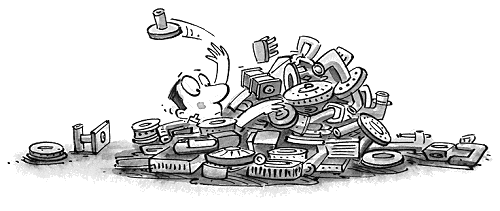
INVENTORY
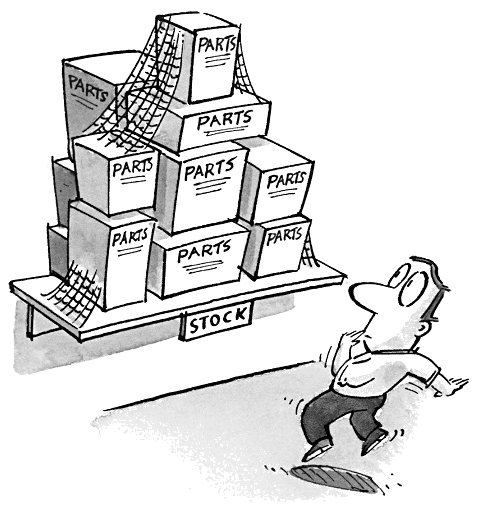
Any inventory above the minimum level required for continuous production.
ERRORS
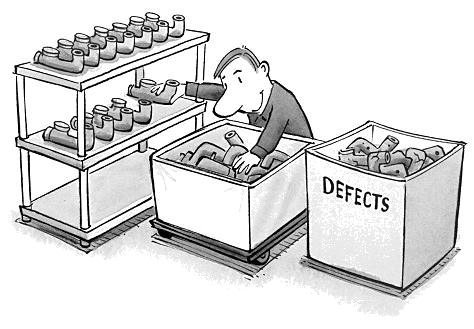
Producing products that do not conform to customer requirements, repairing defects.
MOTION
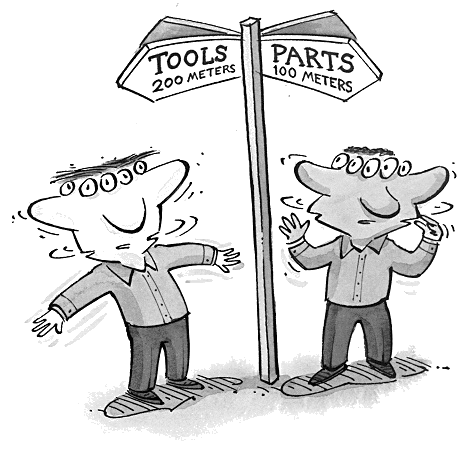
Any unnecessary movement: Walking, twisting, reaching and so on.
OVERPROCESSING
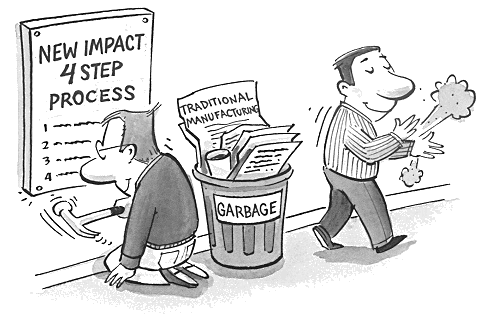
Effort that does not add value, improvements not required by the customer.
WAITING
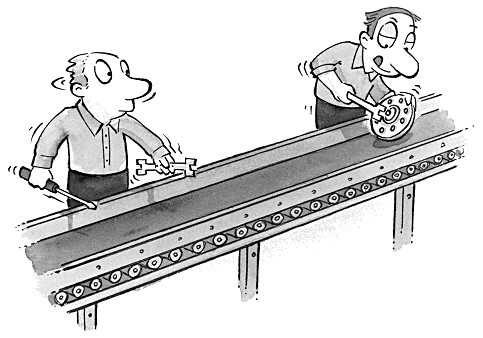
Any free time due to ineffective organization of work.
TRANSPORTATION
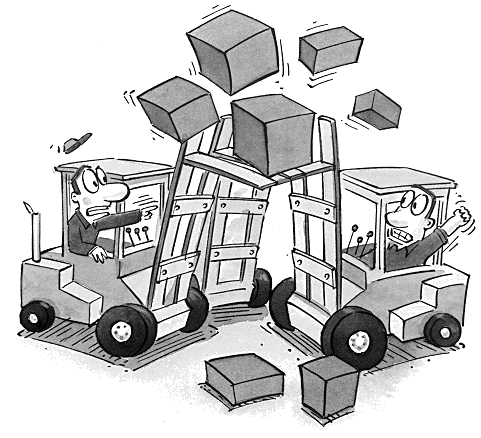
Any movement of materials.
UNUSED CREATIVITY
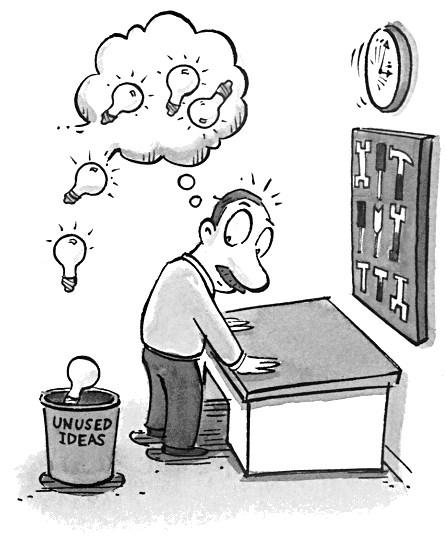
Wasted ideas, not listening to employees, no resources for implementation of suggested improvements.
Lean Manufacturing Simulation
The course introduces Lean philosophy, tools and a Pull System concept. Participants take part in a game simulating a factory producing cars made of LEGO bricks. During three rounds, traditional Push production is transformed into making a product based solely on customer demand. The simulation provides a bird’s eye view on a manufacturing process and allows to observe effects of elimination of waste, reduction in batch size and functioning of Kanban and Supermarkets.
After each round results are calculated in the following categories: Lead Time, Productivity, Inventory, Quality, Costs and Profit. Fundamental Lean Manufacturing tools sucha as 5S, SMED, Poka-Yoke and TPM. The course emphasizes key role of quality and standards work and is illustrated with examples of improvements from factories worldwide.
Participants: max. 15 people
Time: 8 hours
Agenda
- Introduction to Lean Manufacturing, history of development
- Simulation Round 1 – production in a simulated factory based on Push, calculate results
- 7 types of wastes, Just-In-Time philosophy
- Brainstorm improvements for Round 2, apply tools: Kaizen Blitz, 5S, SMED, TPM to streamline production process
- Simulation Round 2 – production in a simulated factory after elimination of waste, calculate results
- Explain Pull System and Just-In-Time, Work in Process reduction
- Brainstorm improvements for Round 3, balance production line, introduce Kanban and Supermarkets
- Simulation Runda 3 – production in Pull System factory, calculate results
- Implementation steps of Lean Manufacturing in an organization